May 6th, 2026 12:00am
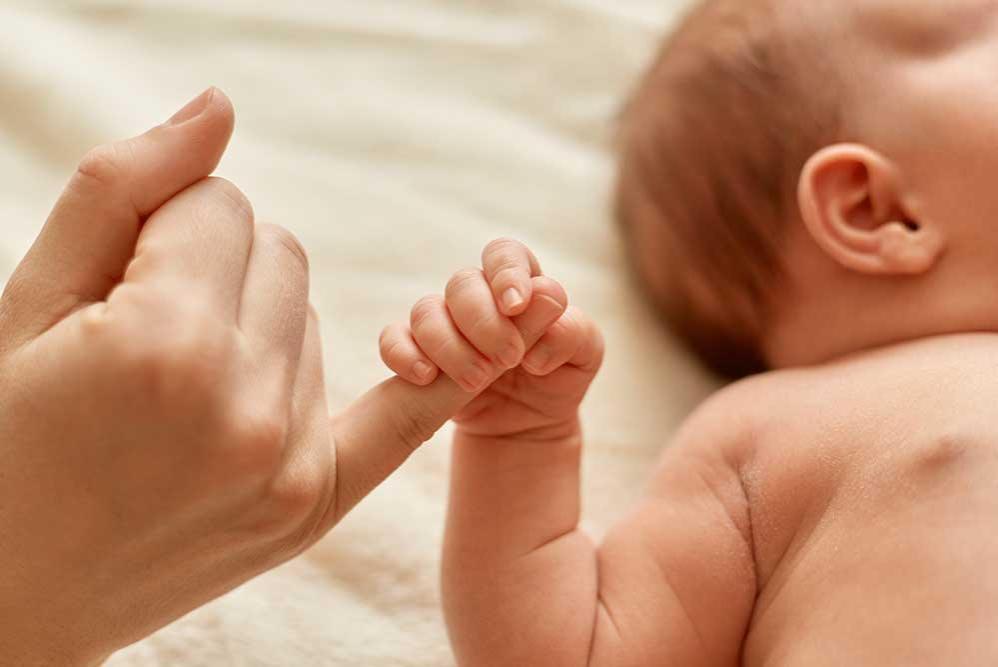
From the first smile to their first steps, a baby’s first year of life is filled with remarkable changes and developmental milestones. Throughout your little one’s first year, they will also learn how to communicate with you through coos, gurgles, and their first words. Understanding their cues early on can help support further healthy language development.
During the first two months of life, it is normal to expect your little one:
These early behaviors are primarily reflexive, but are important to set the foundation for bonding with your child. As you continue to talk to, hold, and make eye contact with your baby, you are setting the groundwork for effective communication when they are older.
During this time, your baby will take their first step into making intentional sounds. You can expect:
These are the next behaviors that are part of your little one’s first steps to using sounds intentionally. As you continue spending time with your baby, continue to engage with them socially to help propel language and emotional development.
During this time, your little one will start babbling, screaming, or yelling. This is the first step to your little one finding their voice!
This stage is the precursor to forming their first words. At this age, it is important to continue imitating your child’s noises and responding enthusiastically.
During this period, your little one begins to link sounds with meaning. They will start gesturing to things they are interested in and will start to understand simple words.
Continue combining gestures and words to help your little one continue to develop their communication skills.
Finally! The first intentional mama and dada! At this age, your child will start to say words of familiar people and objects.
This is a crucial period where your little one begins to understand and produce language. At this age, continue to utilize reinforcement when interacting with your child, especially when you are naming and showing them objects.
The first year of your little one’s life is a whirlwind of changes. It is important to note that every baby develops on their own timeline. Your routine wellness exams are the best time to discuss any concerns about your baby’s communication or developmental milestones.
Located within: Blog.
have you seen us?
Have a question or ready to schedule a free 15 minute consultation? We'd love to hear from you.
Give us a call at 480.771.4422 or reach out online.


8952 E Desert Cove Ave, Ste 114. Scottsdale, AZ 85260
© 2026 Natural Kid Doc, Dr. Kiera Smialek ND, FABNP
all rights reserved. privacy policy