
February 9th, 2026 12:00am
One system to rule them all, the microbiome. The microbiome is a unique ecosystem that exists inside the gastrointestinal tract, which is made up of trillions of microorganisms. In a healthy, balanced gut, these microbes communicate with various body systems to support daily metabolic functions and support health. These microbes:

February 4th, 2026 12:00am
It is very common for parents to hear their child say: “I’m tired”, especially when they were awake until late, or after a long day at school, or even a busy weekend. But if this tiredness becomes chronic over the long term, affecting aspects of their lives such as mood, behavior, schoolwork, or participation in any physical activity, it may create a question in a parent’s mind: Is this just typical childhood tiredness or something more concerning must be happening?
January 27th, 2026 12:00am
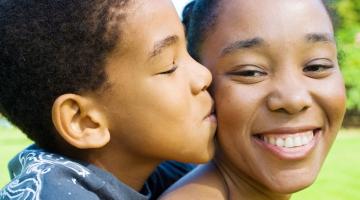
As parents, it can be easy to see how your child’s mood is impacted by their environment, sleep, and emotional stressors. Some may even notice behavioral changes when their child eats certain foods or goes too long between meals. In fact, even things like constipation, diarrhea, bloating, and stomach aches can often link back to changes in a child’s overall temperament. What many do not realize is that the gut and the brain are deeply connected.

October 2nd, 2025 12:00am
Few things tug at a parent’s heart more than seeing their little ones uncomfortable, especially when it comes to tummy aches. Upset stomachs in children are common, and luckily there many home remedies that can help soothe little bellies. In naturopathic medicine, we understand that digestion is a major cornerstone to our overall health. Frequent or persistent stomach aches can signal imbalances in the digestive tract, food intolerances, or simply a response to stress, fatigue, or illness.

September 2nd, 2025 12:00am
Natural Approaches for Managing Infant Eczema . Eczema, or atopic dermatitis, is one of the most common skin conditions seen in infants, affecting an estimated 15–20% of babies worldwide. Symptoms often appear as red, dry, itchy patches that can occur anywhere, but are most commonly found on the cheeks, scalp, and in the creases of the elbows, wrists, knees, and ankles. Symptoms may appear to be only skin-deep, but for many parents and children, eczema can be persistent and often distressing to manage.

August 5th, 2025 12:00am
Heat rash is a common skin condition in babies, and as the temperatures increase, so does the number of heat-related rashes. Also known as miliaria or prickly heat, heat rashes are common in hot and humid weather. Although temporary and usually harmless, these rashes can be uncomfortable for your little one. To help keep your baby comfortable through the summer months, we will discuss strategies to prevent heat rashes and what to do if one develops.

July 3rd, 2025 12:00am
Effectively Interview a Pediatrician: A Guide for Parents . Choosing the right pediatrician for your child can feel overwhelming. Your pediatrician will be a trusted partner in your child's health and development, so it's crucial to find someone whose philosophy aligns with your family's goals and values regarding health.
June 17th, 2025 12:00am
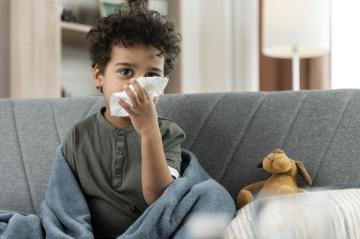
If you’ve ever seen your child suddenly get a nosebleed, especially if it’s happening repeatedly, it can be a bit alarming. While most nosebleeds in children aren’t cause for serious concern, when they start to happen more frequently, it’s a good idea to dig a little deeper to find out what might be contributing. As a naturopathic pediatric clinic, we often work with families whose children are dealing with recurrent nosebleeds. Let’s take a closer look at some of the common causes and share a few natural ways you can support your child at home.

June 2nd, 2025 12:00am
At-Home Fever Management: A Parent’s Guide . Every parent dreads the familiar phrase, “I don’t feel good”, especially when it is accompanied by a fever. And while they can seem concerning, most children’s fevers are not dangerous.

By definition, secondary bed wetting means that the nighttime bed wetting reappears months or years after the child has become night dry. There are a lot of common and harmless causes for this. Increased amount of emotional stress like starting a new school, birth of a new sibling, conflict at home between parents, or moving to a new home can be stressful for a child . Some kids are very deep sleepers and might not recognize the urges to go .

Attention-Deficit/Hyperactivity Disorder (ADHD). is a neurodevelopmental condition that often emerges in childhood, affecting a child's ability to focus, control impulses, and regulate activity levels. There are different types of ADHD, and not all children present similarly. Symptoms typically interfere with daily functioning and affect learning, social interactions, and relationships.

PANS (Pediatric Acute-onset Neuropsychiatric Syndrome). and PANDAS (Pediatric Autoimmune Neuropsychiatric Disorders Associated with Streptococcal Infections). are conditions where a child suddenly develops severe neuropsychiatric symptoms due to an immune response. PANDAS was officially recognized in 2010 and it is associated with streptococcal infection.

Back to School Illness Prevention . I often hear reports from parents that their child is always healthy in the summer, but as soon as school starts again, the illnesses return. Schools are breeding grounds for many germs. Children are in very close contact with one another and often aren’t careful about reducing the spread of germs.

Embarking on the path to parenthood is an exciting journey, but it's not always an easy one. If you're thinking about expanding your family or have been trying to conceive without success, fertility testing can provide invaluable insights. Navigating this journey alone can be overwhelming, which is why many people opt to seek guidance from a healthcare provider. Let's have a conversation about how to navigate the process and what you can expect when delving into fertility testing.

If you or someone you know is living with PCOS, you're probably familiar with its array of symptoms, including irregular periods, ovarian cysts, and hormonal imbalances. However, there's one symptom that often lingers in the background: heat intolerance. In this article, we're going to uncover the connection between PCOS and heat intolerance and discuss some practical ways for those living with PCOS to manage their symptoms.

If you're one of the millions of women living with Polycystic Ovary Syndrome (PCOS), you're likely familiar with its array of challenging symptoms, from irregular periods to hormonal imbalances. However, there's one symptom that often flies under the radar but can significantly impact daily life: brain fog. Let's explore the connection between PCOS and brain fog and discover strategies to clear the mental haze.

Endometriosis is a challenging condition that affects millions of women worldwide. It occurs when tissue similar to the lining of the uterus grows outside of the uterus, leading to pain, inflammation, and other symptoms. While there is no cure for endometriosis, adopting a healthy and balanced diet can help manage symptoms and support overall well-being. Let's explore some dietary strategies that may be beneficial for individuals with endometriosis.

As summer approaches, it is more important than ever to protect our skin from the damaging UV rays of the sun. There is a lot of information out there on the risks and benefits of sunscreen ingredients. This includes research that certain sunscreen ingredients may lead to hormonal imbalances, as well as other consequences. So if we want to make sure our skin and hormones are healthy, what is the best choice?

The thyroid is often called the master control gland of metabolism. When the thyroid functions suboptimally, hypothyroidism (low thyroid hormones). can occur causing symptoms like fatigue, brain fog, constipation, and cold intolerance. The question is, what happens if you've been told your hormones are "normal", but you still feel awful?

PCOS, or polycystic ovarian syndrome, is a hormonal condition that results in increased levels of androgens like testosterone and is often accompanied by insulin resistance. The hormone imbalance that occurs in PCOS can make it more difficult for women to conceive due to disruptions in ovulation. As a result, many women are told that they will not be able to conceive while having PCOS, however this is simply untrue. While getting pregnant with PCOS can be challenging, there are many natural strategies to increase the likelihood of pregnancy .
Have a question or need to schedule an office visit?
Please fill out the form below or call 480.771.4422.
have you seen us?



8952 E Desert Cove Ave, Ste 114. Scottsdale, AZ 85260
© 2026 Natural Kid Doc, Dr. Kiera Smialek ND, FABNP
all rights reserved. privacy policy